
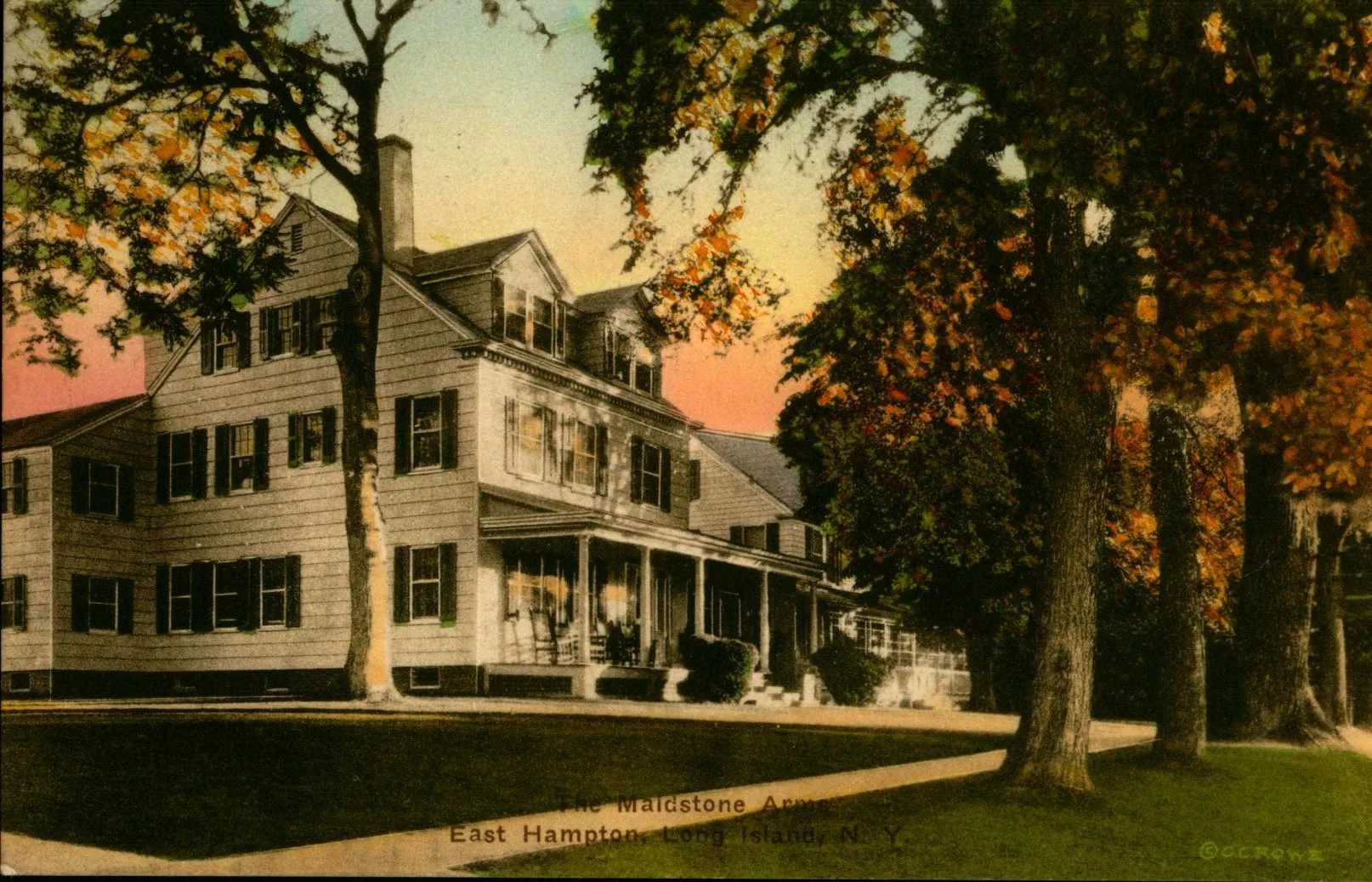
Maidstone Arms Inn — Its History & Significance
The significance of the Maidstone Arms Inn lies not simply in its age, but in its continuous use as a public house since the late nineteenth century.
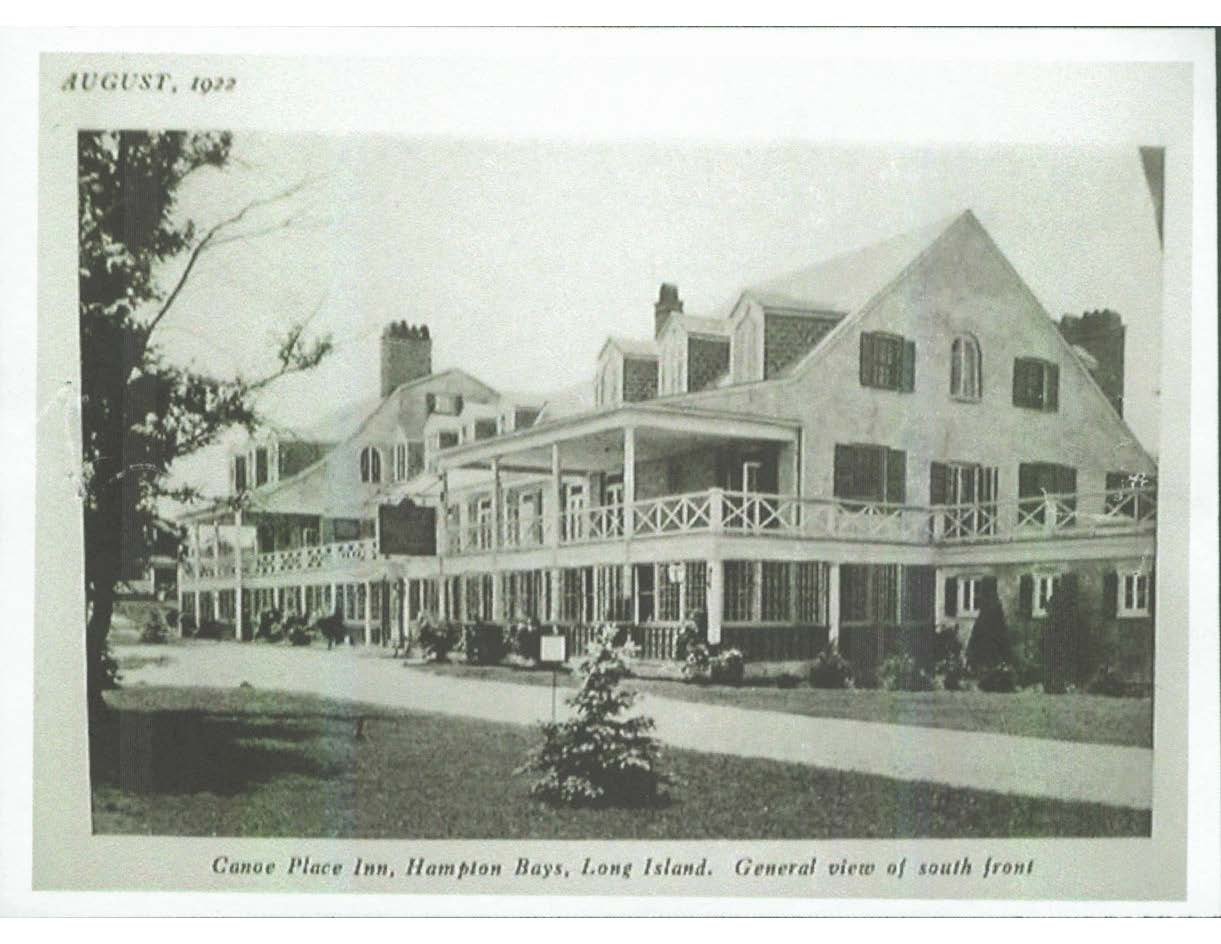
Canoe Place Inn — Historic Preservation & Restoration
The significance of the Canoe Place Inn lies in its layered history — a place continually rewritten, yet never erased.
WRITING
Writing is a parallel practice to my work in historic preservation. It is where research, observation, and experience are shaped into essays that explore buildings not only as objects, but as lived environments — places defined by use, memory, and continuity over time.
Much of this work originates in formal historical research prepared in connection with preservation efforts; other pieces are written more reflectively. All share a concern with how buildings endure — physically, socially, and imaginatively — and with the responsibility of stewardship across generations.
Selected essays are presented here in edited form. Where relevant, long research documents are available as linked artifacts.
The Maidstone Arms Inn: A Continuous Public House
From the Boardinghouse Era to Today
A historical essay examining the Maidstone Arms Inn as a rare example of continuous public use from the late nineteenth century to the present. Through architectural description and social history, the essay situates the inn within the broader tradition of American boardinghouses and the rise of East Hampton as a resort village shaped by travel, leisure, and seasonal life.
Canoe Place Inn: Architecture as Palimpsest
From crossing point to coastal landmark
This essay examines the Canoe Place Inn as a site shaped by accumulation rather than preservation in the narrow sense. From its earliest role as a place of passage to its successive transformations as an inn, resort, and cultural landmark, the building has been repeatedly altered to meet changing social and economic conditions. Rather than seeking a return to an imagined original state, the essay argues for understanding Canoe Place as a palimpsest — a place where earlier histories remain legible beneath later interventions, and where stewardship depends on interpretation as much as conservation.